Bench Guide to Coiled Aviator Cables: Anatomy, Power Limits, and Top Options
A bench-level breakdown of coiled aviator cables for mechanical keyboards, examining GX16 joints, double-sleeved coil retention, power delivery, and top cable options.
Translating fragmented AliExpress seller listings into verified clearance maps: 3-pin vs 5-pin hot-swap sockets, LED orientations, and plate cutouts.

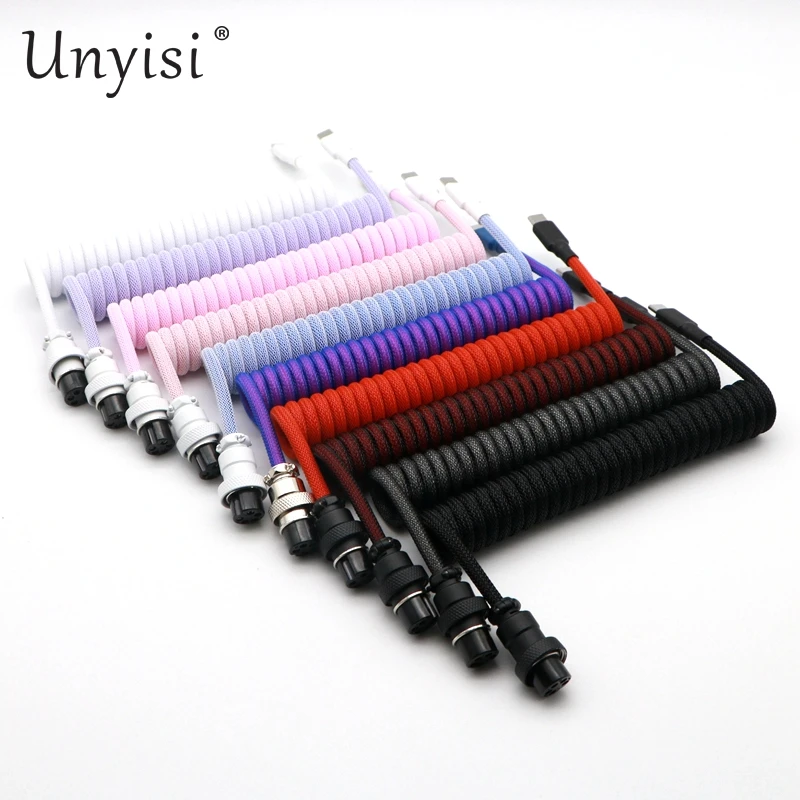
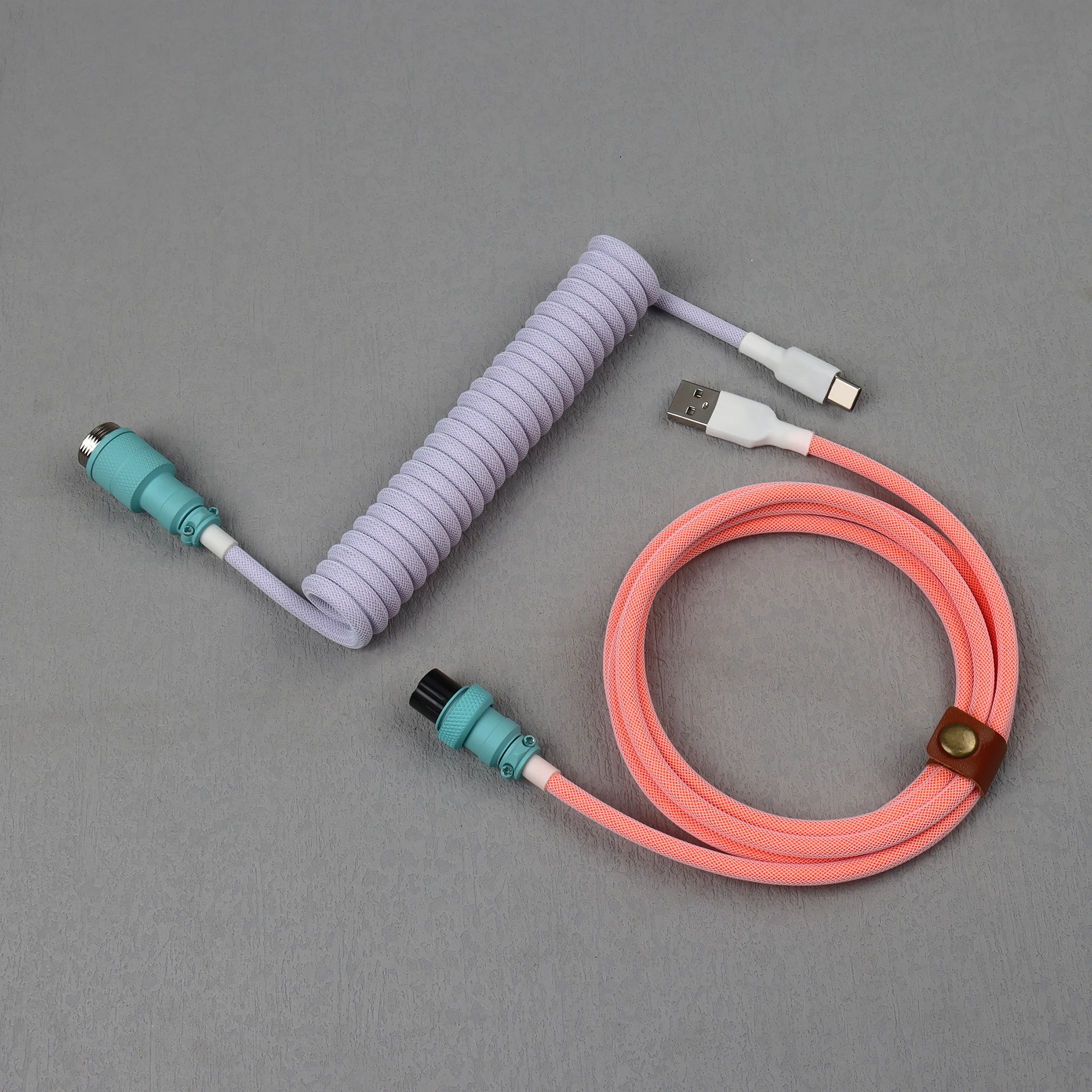
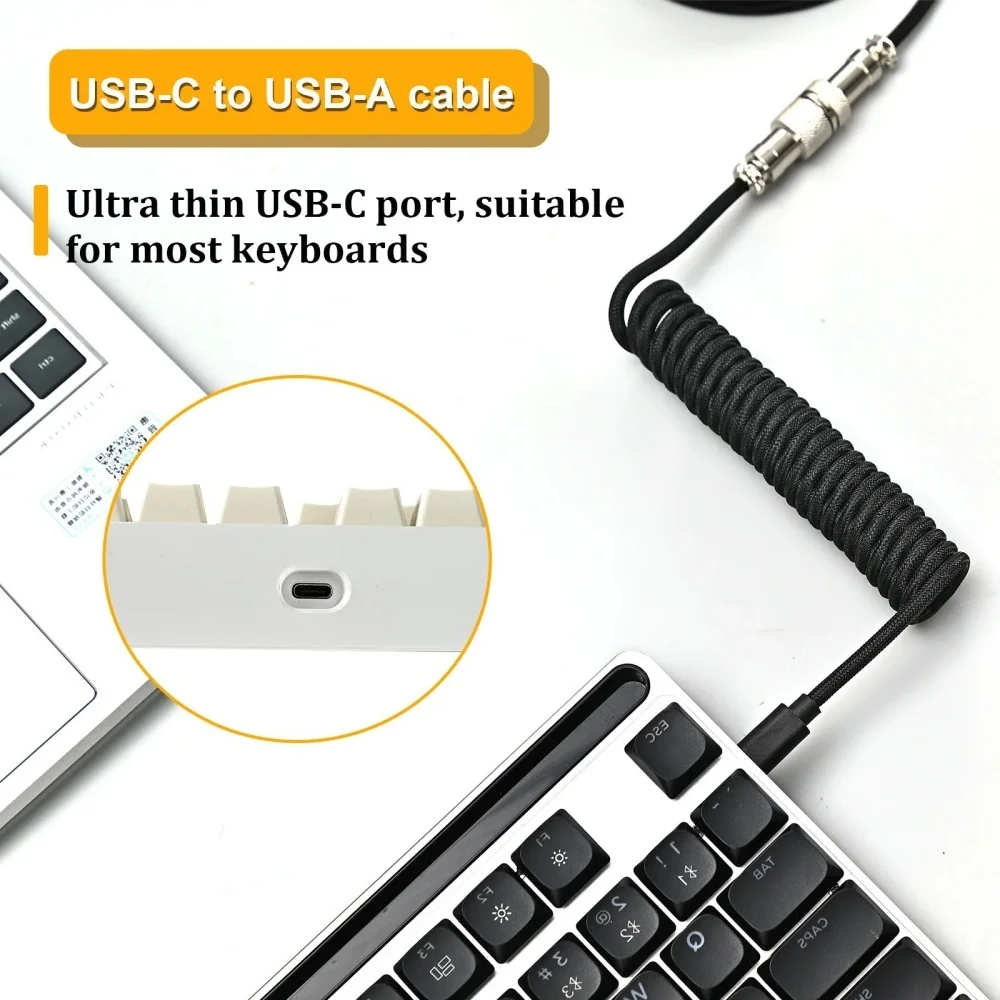
Avoid mismatched sockets and keycap interference by cross-checking supplier listings against these standard physical requirements.
Inspect bare PCB photos for side guide holes. If a board only supports 3-pin, 5-pin switches will require manual plastic pin clipping to mount flush.
North-facing diodes commonly collide with thick Cherry profile keycaps on row 3 (ASDF). South-facing listings ensure universal keycap clearance.
Check if listings specify FR4, POM, or polycarbonate (PC). Flexible plastics reduce harsh bottom-out impact compared to stiff integrated aluminum plates.
Look for 1.4mm+ wall thickness callouts and dye-sublimated legends to avoid shine, hollow resonance, and warped spacebars.
Use localized search queries to surface direct supplier warehouses and unindexed factory barebones on international platforms.
Filters out North-facing diode kits prone to Cherry profile keycap stem rub.
Ensures direct compatibility with PCB-mount switches without cutting support pins.
Locates cushioned plate designs that isolate switch strikes from the hard outer shell.
Surfaces double-shot and dye-sublimated keycap sets with reinforced sidewalls.
In-depth physical listing audits, dimensional verifications, and component teardowns.